Edge 7th May Cover Story: How a lucrative Bangladesh labour import scheme into Malaysia (alleged criminal syndicate trafficking Bangladeshi migrant workers for forced labour in Malaysia) was shelved

This article first appeared in The Edge Malaysia Weekly on April 27, 2026 – May 3, 2026
A controversial new scheme to manage foreign worker recruitment from Bangladesh reached an advanced stage and was set to be deliberated by the cabinet, only for the prime minister to pull it from the agenda
EARLIER this month, a highly controversial proposal to launch a new system for recruiting workers from Bangladesh was put up for deliberation by the cabinet.
The meeting began with several other matters at hand. However, when the time came to discuss the foreign worker scheme, Prime Minister Datuk Seri Anwar Ibrahim instructed officials to remove it from the agenda.
“Nobody said a word during the meeting. When the matter came up for deliberation, Anwar just told the officials to take it off the list and go on to the next topic. No reason was given,” says a source.
Several cabinet ministers declined to comment on this when contacted.
Matters related to foreign labour are primarily in the hands of two ministries — the Ministry of Home Affairs under Datuk Seri Saifuddin Nasution Ismail and the Ministry of Human Resources under Datuk Seri R Ramanan. Both Saifuddin and Ramanan did not respond to questions from The Edge on the matter.
Nevertheless, Ramanan confirmed last week following a news report that a new scheme — The Universal Recruitment Advance Platform or Turap — was being considered. The system was proposed by Bestinet Sdn Bhd, a company whose owner is wanted in Bangladesh to face criminal charges.
—
Key Related Articles
Edge 7th May Cover Story: How a lucrative Bangladesh labour import scheme was shelved
Edge 7th May Cover Story: A web of profit and politics – An explainer on Malaysia’s foreign worker recruitment issues
Edge 26th April 2026: Edge Malaysia – How a lucrative Bangladesh labour import scheme to replace FWCMS was shelved from cabinet meeting(below)
Bloomberg 21st April 2026: Malaysia says it’s studying new migrant worker hiring system (regarding alleged criminal syndicate trafficking Bangladeshi workers for forced labour in Malaysia) (below)
Bloomberg 16th April 2026: Malaysia Plans to Use Tycoon Amin’s New Migrant Worker System (below)
Bloomberg 23rd Jan 2026: World Exclusive on Alleged Criminal Syndicate Trafficking Bangladeshi Workers for Forced Labour in Malaysia | The Big Take: EVERYONE GETS A CUT, AND MIGRANT WORKERS PAY THE PRICE
—
Ramanan, who said the proposed new system would use artificial intelligence (AI) to cut out the middlemen, dismissed an earlier news report on Turap as being inaccurate and claimed that the matter was not even being deliberated at the cabinet level. Sources insist, however, that the proposal had been fully prepared for discussion at that level.

Anwar is said to have instructed officials to remove the topic of the new system from the agenda during a cabinet meeting (Photo by Shahril Basri/ The Edge)
“Even before the news came out recently, the proposal on the recruitment of foreign workers from Bangladesh was part of the agenda in a cabinet meeting earlier this month. This means it was at an advanced stage. It was the prime minister who took it off the agenda.
If the cabinet had approved the proposal, it would go down to the implementation stage,” says a source.
Former three-term DAP member of parliament Charles Santiago says the exploitation of workers at the village level is the biggest reason for debt bondage. He doubts that any system using AI can resolve the problem.
“Poor villagers are paying the price to come to Malaysia to work. It’s not only the agents that make money; it is an important business for politicians in Bangladesh as well. They feed on the billions that the system churns out.
“So how does any system, even with AI, stop workers at the village level from being forced to pay excessive amounts to agents and sub-agents?” asks Santiago.
Bestinet, controlled by Datuk Seri Aminul Islam Mohd Nor, has defended the Turap system as a solution to eliminate recruitment exploitation at its source — the villages. The company has also said the system complements existing systems and reduces leakages.
Currently, the Foreign Workers Centralized Management System (FWCMS), which was developed and managed by Bestinet, is one of the solutions used to manage the import of foreign labour into the country. The FWCMS is to be replaced by the National Integrated Immigration System (NIISe) by 2028.
Meanwhile, Aminul and an associate, Ruhul Amin, are among those that the current Bangladeshi government is seeking to prosecute for money laundering and exploitation of workers under the previous government. In fact, Dhaka has already sought Aminul’s extradition, though the attempt has not been successful so far.

Big money in foreign labour
To get an idea of the scale of this business, one has to go back to 2012, when the recruitment of workers from Bangladesh to Malaysia was strictly a government-to-government (G-to-G) initiative. At the time, a Bangladeshi worker paid about BDT35,000 (US$449 then) to get a job.
According to a copy of the draft White Paper commissioned by the new Bangladeshi government, the G-to-G agreement signed between the two countries was amended in 2013 to allow private recruitment firms to be part of the process. This resulted in the fees borne by each worker skyrocketing to 300,000 Bangladeshi taka (US$3,846) or more.
Today, that fee has exceeded US$5,000 per worker.
In 2023 alone, when there was pent-up demand for foreign workers post-pandemic, over 351,000 workers from Bangladesh arrived in Malaysia, according to documents from that country. Assuming each worker forked out US$5,000, the amount collected by agents at all levels in Bangladesh and Malaysia would have been a staggering RM7 billion.

Santiago: How does any system, even with AI, stop workers at the village level from being forced to pay excessive amounts to agents and sub-agents? (Photo by Patrick Goh/The Edge)
The Malaysian government has also been drawn into the Bangladesh manpower export controversy due to its decision to award the mandate to handle matters related to foreign labour to Bestinet’s FWCMS solution.
Bestinet came into the picture in January 2018, when the home ministry issued a letter of acceptance (SST) to the company for the use of FWCMS to manage the documentation and registration of foreign workers. The ministry was then led by Datuk Seri Ahmad Zahid Hamidi, who is now the deputy prime minister.
The SST issuance to Bestinet has been a matter of deliberation in a Parliamentary Select Committee (PSC) for the last two years.
A senior government official told the PSC that the SST was issued following strict instructions from Zahid to expedite the matter, on the grounds that discussions between the company and the government had been going on for a long time without a resolution.

Ramanan confirmed last week that the Turap system is being considered (Photo by Shahril Basri/ The Edge)
After the SST was signed off, the home ministry started using FWCMS. The SST was valid for six years and expired in May 2024 without any formal agreement between the government and Bestinet. One of the reasons was because government officials could not reach an agreement with Bestinet over the fees that the company intended to charge the government.
For six years, between 2018 and 2024, the ministry used FWCMS to process documents and issue temporary employment visit passes (Pas Lawatan Kerja Sementara or PLKS) to foreign workers without making any payment to the company.
How Bestinet manage to sustain its operations during the period without getting paid, and why it continued to provide its services to the government, are matters that have not been addressed so far.
Bestinet before 2024 had filed a claim against the government for RM1.57 billion in unpaid services for six years.
The amount is huge, especially for an unlisted company.
As for the FWCMS, the system was never under the complete control of the ministry between 2018 and end-2024. Critical elements, such as the “source code” — the underlying DNA of the software, in simpler terms — were not with the home ministry, and holders of the “SuperID”, which acts as the master key to the solution, were not confined to authorised government staff.
Such elements were crucial to ensuring that only authorised persons could access the system to make changes to approved quotas and issue temporary passes to foreign workers. “Both elements are critical and part of the agreement in end-2024. It is to ensure that there would not be any intrusion by unauthorised individuals into the system,” a senior civil servant had told the Public Accounts Committee back then.
There was at least one incident reported in May 2023 of unauthorised persons approving 24 applications to bring in foreign labour. After investigations, the police concluded that it was a technical error, and the incident was dismissed as there was no case.
A formal agreement between the government and Bestinet was only signed in September 2024, nearly two years after the Anwar government took over Putrajaya. Only after that signing did Bestinet hand over the “source code” to the home ministry, and the “SuperIDs” were finally confined to authorised government servants.
Under this agreement, Bestinet gets RM215 for every PLKS issued. The PLKS is issued to foreign workers within a month of their arrival in Malaysia.


Origins of Turap
Manpower industry executives believe that work on the Turap proposal started last year. It remains unclear if former human resources minister Steven Sim — currently the Minister of Entrepreneur Development and Cooperatives — was approached over the scheme during his tenure with the ministry, as neither he nor his office replied to queries on the matter.
Ramanan assumed the position of human resources minister last December. In less than two months, he had broached the subject of a new system to recruit foreign workers. Sources say ministry officials have already been given a briefing on Turap, with officials from Bestinet present.
“In the proposal, the recruitment would be confined to 10 companies in Malaysia and 20 in Bangladesh that would act as facilitation centres to help manage the recruitment process using AI,” says a source.
Turap comes amid major developments in Bangladesh on the supply of foreign workers from that country to Malaysia.
Following the fall of the previous Awami League government headed by Sheikh Hasina Wazed, there have been increasing calls for a higher degree of transparency in the recruitment of workers from the country. In particular, manpower groups in Bangladesh have been pressuring the new government to allow more recruitment companies to participate in the programme to send workers to Malaysia, from the present 102 firms.

It is unclear if Sim was approached over the scheme during his tenure with the human resources ministry (Photo by Sam Fong/The Edge)
They contend that the current system, crafted in 2021, has contributed to workers paying more to recruitment firms because only 102 companies are recognised by the FWCMS solution. On that score, the Ministry of Expatriates’ Welfare and Overseas Employment of Bangladesh submitted a list of 426 recruitment companies to undertake worker recruitment, says an executive in the foreign worker recruitment business.
“The list was submitted to (former human resources minister) Sim in November last year. It excludes the old recruitment companies selected under the 2021 agreement between Malaysia and Bangladesh,” says the executive.
On Malaysia’s side, the entry of foreign workers from Bangladesh has been frozen since end-2024. Home Minister Saifuddin imposed the order after many arrivals were left without jobs.
The last memorandum of understanding (MoU) signed between the governments of Malaysia and Bangladesh in December 2021 was for the entry of 220,000 workers up to 2026. But in 2023 alone, 351,000 workers from the country came into Malaysia, far exceeding the permitted number.
The MoU signed in 2021 is expiring at the end of this year. The current Bangladesh government is waiting for Malaysia to open the doors to its workers, but it wants a bigger pool of Bangladesh recruitment companies involved.
As for Malaysia, it is looking at a new system that potentially involves fewer companies and with Bestinet playing a role, according to industry officials.
—
Edge 7th May Cover Story: A web of profit and politics – An explainer on Malaysia’s foreign worker recruitment issues
This article first appeared in The Edge Malaysia Weekly on April 27, 2026 – May 3, 2026
THE recruitment and processing of foreign workers in Malaysia has turned into a high-stakes political firestorm. At the core of the issue are persistent allegations that the system tolerates the exploitation of foreign workers, particularly those from Bangladesh, leaving them trapped in crippling debt.
The controversy centres on several key figures and a digital infrastructure that has become as lucrative as it is contentious.
Two names currently dominate the headlines. One is the Minister of Human Resources Datuk Seri R Ramanan, who advocates using a new system said to be capable of eliminating the exploitation of workers at the village level in Bangladesh. The other is Datuk Seri Aminul Islam, the founder of Bestinet Sdn Bhd, which developed and managed the Foreign Workers Centralised Management System (FWCMS).
The FWCMS is currently being used by the home ministry to process foreign worker documentation before an electronic Temporary Employment Visit Pass or PLKS is issued. Bestinet receives RM215 for the issuance of every PLKS via FWCMS.
Allegations of corruption and exploitation of migrant workers have been levelled against Bestinet and Aminul. Both have denied all the allegations, arguing that the FWCMS helps reduce the exploitation and debt bondage of workers by automating and centralising a previously opaque process.
Last week, Ramanan confirmed that Bestinet had proposed a new system called The Universal Recruitment Advance Platform (Turap), resulting in criticism of the government. It has also drawn calls for greater transparency in what has become a multi-billion ringgit industry. But how did the industry become so lucrative?
When did Malaysia start to recruit migrant workers in a big way?
In the early 1990s, Malaysia opened up its labour market to migrant workers to fill vacancies in the plantation sector, which were not filled by locals.
It started with a programme rolled out by the home ministry in 1993 to hire Indonesian workers. By 1998, the country had an estimated 400,000 migrant workers, mostly Indonesians. From 1999, Bangladeshi workers started arriving here in large numbers and some of these early arrivals subsequently became agents who recruited workers from Bangladesh in return for a fee.
How did the migrant worker recruitment system evolve through the years?
At first, the recruitment and processing of workers was done by local companies that had been issued licences for the job. Quotas were given out to each licensed agent.
However, in 2005, an “outsourcing system” was introduced. Instead of employers recruiting the workers they needed directly, they could hire foreign workers from outsourcing companies. These companies handled everything: recruitment, visas, medical checks, housing and payroll. This was the start of a very lucrative business, with human labour as the commodity.
By 2008, more than 1,000 such outsourcing companies had been licensed by the ministry. Tan Sri Azmi Khalid was the home minister between March 2004 and February 2006, before he was replaced by Tan Sri Mohd Radzi Sheikh Ahmad, who helmed the ministry between February 2006 and March 2008.
This outsourcing system was eventually halted by the Malaysian government in 2012, following reports of abuse and neglect. A freeze in the recruitment of foreign workers was also put in place. That ban would subsequently be partially lifted and reimposed, as the government balanced the industries’ need for foreign workers.
From 2016 until 2018, it facilitated the rehiring of undocumented workers.
A pivotal shift happened in January 2018, when the government adopted the use of Bestinet’s FWCMS. A letter of acceptance (SST) for the use of the system was issued to Bestinet by the home ministry, under then minister Datuk Seri Dr Ahmad Zahid Hamidi, just four months before the 2018 general election.
Is the FWCMS used only to process Bangladeshi workers?
No, it is also used to process worker documentation for all source countries that export labour to Malaysia. However, it is mostly used for Bangladeshi workers, who have in recent years replaced Indonesia as the main source of migrant workers for Malaysia.
The FWCMS solution is also increasingly used in Nepal.
Why is Dhaka against Bestinet and the use of FWCMS?
The current administration in Bangladesh has expressed opposition to FWCMS and Bestinet. In particular, Dhaka has accused Aminul, a Bangladesh-born naturalised citizen of Malaysia, of being part of a small network of manpower recruitment agents aligned to the previous Bangladeshi government headed by Sheikh Hasina Wazed, who was ousted in August 2024.
The situation came to a boil in late 2024 when Bangladeshi authorities requested the arrest and extradition of Aminul and his associate, Ruhul Amin, on charges of money laundering, extortion and trafficking of migrant workers.
Ruhul was also the former secretary-general of the association governing manpower recruitment companies in Bangladesh.
Why are controversies related to foreign labour confined largely to workers from Bangladesh?
This is because Bangladesh is the only country where the workers are prepared to pay huge sums of money to work in Malaysia. Workers recruited from villagers have to pay a chain of intermediaries throughout the recruitment process to get here.
According to a 2021 agreement between Malaysia and Bangladesh, a worker seeking a job here is supposed to only pay BDT78,990, which is about RM2,540, to get employment here. In reality, the cost is more than RM20,000 per worker.
The business of exporting manpower is so lucrative in Bangladesh that politicians want a hand in it. After its previous government fell, at least 10 politicians — including two ministers — have been implicated in charges of corruption and money laundering in relation to the export of manpower.
The corruption has spilled over to countries that require foreign labour from Bangladesh. Decision-makers in these importing countries are often “incentivised” to open up the market to labour from Bangladesh.
With Malaysia’s 2021 memorandum of understanding (MoU) with Bangladesh set to expire this December, “lobbying” for market access has already begun. Dhaka has proposed that 426 recruitment companies be considered for the recruitment of their workers to Malaysia when a new MoU is signed.
—
Edge Cover Story 7th May 2026: Call to replace MoUs with binding bilateral labour agreements

This article first appeared in The Edge Malaysia Weekly on April 27, 2026 – May 3, 2026
FORMER Klang member of parliament (MP) Charles Santiago has proposed that the government replace the current system of signing memorandums of understanding (MoUs) with source countries that supply labour to Malaysia with binding bilateral labour agreements (BLAs).
Santiago, a three-term MP, says that MoUs are fraught with flaws, and function more as a political and administrative arrangement than a legal safeguard.
“MoUs are not legally enforceable as opposed to BLAs, which are a grievance mechanism. The terms of MoUs are not transparent and there is no legal structure on the fees that can be imposed on workers,” he says.
Under a BLA framework, both employers and workers will have access to legal recourse in the event of wrongdoing. For instance, workers can seek intervention from the Malaysian authorities if they are abused, if their salaries are not paid or if they have been charged excessive recruitment fees for non-existent jobs, he explains.
A BLA also provides a safety net for businesses. “As for employers, the BLA gives them a recourse against agents and any intermediary that they have used in bringing in the foreign workers. Under the current MoU system, the weight of any violation falls on the employer. This was evident when Malaysian companies had to fork out remediation fees or face the prospects of their products being stopped at the borders of the US and Europe,” says Santiago.
At the height of the pandemic in 2021, five major glove companies in Malaysia and two plantation giants came under intense scrutiny because of foreign labour violations. Among the charges the companies faced were the withholding of worker passports, poor living conditions and the imposition of exorbitant recruitment fees.
The companies, however, argued that they paid agents or middlemen to handle the recruitment and denied holding on to the workers’ passports. The agents, however, were not held accountable and faced no charges.
Subsequently, the glove manufacturers and plantation companies could not export their products to the US and Europe. In the end, they had to pay a total of RM472 million in remediation fees to their foreign workers to lift the export bans.
Santiago says employers are “tired” of being made to pay for the misdeeds of unscrupulous agents and are prepared to adopt a binding BLA for the recruitment of foreign workers.
“For employers, remediation represents a double burden. They pay for recruitment-related costs to secure labour and later compensate workers for fees imposed by unscrupulous intermediaries.
“As for the workers, justice arrives only after prolonged hardship and frequently only as a result of external intervention,” says Santiago, who has written a paper on why the Malaysian government should adopt binding BLAs instead of MoUs.

Aishwarya: The lack of uniformity [in MoUs] complicates compliance for Malaysian employers, who must navigate differing obligations depending on the worker’s nationality
Aishwarya Visvanathan, who is a fellow researcher on the subject, says the MoUs signed with the different countries that send their workers to Malaysia do not have a uniform structure.
“The MoUs have a different structure for each host country. For instance, Bangladeshi workers pay more compared to workers from Nepal to come to Malaysia. Nepali workers’ migration cost is equivalent to three months of their wages in Malaysia whereas for the Bangladeshi worker, it is equivalent to seven months’ wages,” she says.
While the employer-pays principle is explicitly stated in the MoU with Nepal, it is vague in the agreement with Bangladesh. “The lack of uniformity complicates compliance for Malaysian employers, who must navigate differing obligations depending on the workers’ nationality,” she adds.
Malaysia had previously signed MoUs with the governments of Bangladesh and Nepal to regulate the import of foreign workers to Malaysia. More than once, its agreement with Bangladesh has resulted in controversy.
In February 2016, the then home minister Datuk Ahmad Zahid Hamidi suspended the entry of Bangladeshi workers just one day after the then human resources minister Datuk Richard Riot inked an MoU with the Bangladesh government to allow the entry of 1.5 million workers into Malaysia over a three-year period until 2018/2019.
In 2021, an MoU signed under the then human resources minister M Saravanan for the recruitment of 220,000 workers until the end of 2026 initially restricted the recruitment to only 10 Bangladeshi companies. Following protests in Dhaka, the number was expanded to 102.
Santiago says the export of manpower to foreign countries is a big business in Bangladesh, and that employment agencies in that country are usually connected to politicians. “There is governance failure and entrenched corruption from cartelised recruitment networks. These structures systematically transfer costs and risks to the migrant workers while generating substantial rents for politically connected intermediaries.”
A binding BLA would, to a large extent, mitigate the problems of agents and well-connected recruitment companies profiting at the expense of workers. Properly structured, these agreements would establish institutional architecture capable of regulating both state and private power across recruitment corridors, he says.
Malaysia has no choice but to reform its migrant labour system, Santiago stresses.
“The need for reforms is no longer determined by domestic considerations only. It is increasingly constrained by intensifying external regulatory scrutiny from Europe and the US. In particular, European buyers of products are required to identify, prevent and remediate human rights abuses throughout their supply chains,” he adds.
Key Articles
Edge 7th May Cover Story: How a lucrative Bangladesh labour import scheme was shelved
Edge 7th May Cover Story: A web of profit and politics – An explainer on Malaysia’s foreign worker recruitment issues
Edge 26th April 2026: Edge Malaysia – How a lucrative Bangladesh labour import scheme to replace FWCMS was shelved from cabinet meeting (below)
Bloomberg 21st April 2026: Malaysia says it’s studying new migrant worker hiring system (regarding alleged criminal syndicate trafficking Bangladeshi workers for forced labour in Malaysia) (below)
Bloomberg 16th April 2026: Malaysia Plans to Use Tycoon Amin’s New Migrant Worker System (below)
Bloomberg 23rd Jan 2026: World Exclusive on Alleged Criminal Syndicate Trafficking Bangladeshi Workers for Forced Labour in Malaysia | The Big Take: EVERYONE GETS A CUT, AND MIGRANT WORKERS PAY THE PRICE
—
Additional latest background
Edge 7th May Cover Story: How a lucrative Bangladesh labour import scheme was shelved
Edge Cover Story 7th May 2026: Call to replace MoUs with binding bilateral labour agreements
Edge 7th May Cover Story: A web of profit and politics – An explainer on Malaysia’s foreign worker recruitment issues
Edge 26th April 2026: Edge Malaysia – How a lucrative Bangladesh labour import scheme to replace FWCMS was shelved from cabinet meeting (below)
Charles Santiago 24th April 2026: When a Press Statement is Expected to do the Work of an Audit! The Bestinet Scandal…
Malaysiakini April 24th 2026: Bestinet defends migrant worker system track record, says Turap will complement it
Edge 23rd Apr 2026: Newly proposed foreign worker system to complement existing systems, not replace them — Bestinet
Edge 23rd April 2026: Steven Sim, former HR minister, stays silent as tensions flare over foreign worker system
Edge 23rd April 2026: Bestinet’s Aminul Islam issues letter of demand to Rafizi on foreign worker recruitment issue
Malaysiakini 22nd April 2026: Rafizi says Bestinet objections raised in cabinet, dares Ramanan to reveal minutes
Bloomberg 21st April 2026: Malaysia says it’s studying new migrant worker hiring system (regarding alleged criminal syndicate trafficking Bangladeshi workers for forced labour in Malaysia)see article in full below)
Edge 17th Apr: Ramanan refutes Bloomberg report on new foreign worker recruitment system
FMT 17th Apr: Why Bestinet again for new worker recruitment system, asks ex-MP
Bloomberg 16th April 2026: Malaysia Plans to Use Tycoon Amin’s New Migrant Worker System (below)
NST 16th Apr: HR Ministry sees no issue with Bestinet recruitment system
26th Feb Malaysiakini: Center for Independent Journalism (CIJ) slams Bestinet’s billion-ringgit lawsuit, urges safeguards
Malaysiakini 25th Feb 2026: Bestinet and Amin files billion-ringgit lawsuit against Malaysiakini, Bloomberg and others over media articles outlining alleged criminal syndicate trafficking Bangladeshi migrant workers for forced labour in Malaysia
23rd Feb NST: High Court rejects Bestinet, Aminul’s bid for gag order on migrant worker exposé
4th Feb Malaysiakini: Rafizi – Govt has no access to Bestinet’s source code
28th Jan Malaysiakini: ‘Warlord-run corrupt nation’ – Latheefa fumes over Bestinet article, govt silence
26th Jan MalaysiaNow: Damning Bloomberg report implicates Putrajaya in giving second life to Bangladeshi-owned firm accused of human trafficking
25th Jan Daily Star: Why have we failed to end migrant workers’ abuse? A sinister nexus has been allowed to thrive
24th Jan FMT: Launch probe into alleged trafficking of Bangladeshi workers, govt told
24th Jan Malaysiakini: LETTER | No more silence – Call for criminal accountability
23rd Jan Daily Star: Bangladesh-Malaysia labour route rife with corruption – Bloomberg report
Bloomberg 23rd Jan 2026: World Exclusive on Alleged Criminal Syndicate Trafficking Bangladeshi Workers for Forced Labour in Malaysia | The Big Take: EVERYONE GETS A CUT, AND MIGRANT WORKERS PAY THE PRICE
—

Endemic corruption in the Bangladesh-Malaysia migrant worker system is enriching some, while trapping the hopeful in a punishing economy of exploitation.
By Anders Melin and Niki Koswanage
Illustrations by Joanna Blemont
23 January 2026 at 13:00 GMT+8
The migrant worker — indebted, jobless and stranded in a foreign country — tried to keep it together as he picked up the phone to call his wife.
His name was Shofiqul Islam. He’d borrowed to pay $4,400 for a construction job that he’d been promised in Malaysia — an astronomical sum for a Bangladeshi farmhand. He’d gambled everything on leaving home to build a future for his two young children.
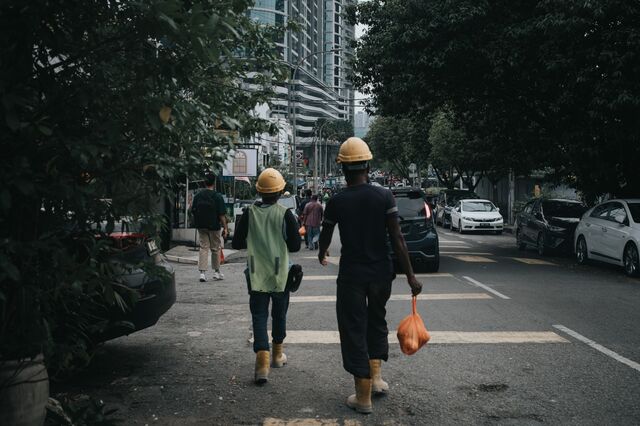
A representative for his employer had picked him up at the airport and he was eventually dropped at a run-down building outside Kuala Lumpur. Three flights up, past a rusty metal gate, was a room with a stack of worn mattresses, a gas stove, two hole-in-the-floor toilets and a hose for a shower. Wait here, the representative said. Then he disappeared.
After 147 days, the job still hadn’t materialized. Shofiqul’s employer had gone silent. His visa had expired. And with each passing day, the interest on his debt ticked up. In the sparse dormitory that morning in February 2024, Shofiqul agonized over his situation.
But once his wife and six-year-old daughter emerged on the screen he smiled, hiding his true feelings. They spoke for an hour. He asked his daughter about the dragon fruit trees he’d planted near their home. Were they growing? Had white flowers sprung from them yet? And he consoled his wife: He’d heard the wait was almost over.
“Don’t worry,” he said. “The job will come very soon.”
Shofiqul was one of more than 800,000 Bangladeshi workers who went to Malaysia over the past decade, often going into debt to pay recruitment fees far higher than people from other countries, sometimes on the promise of jobs that never existed.
Interviews with more than 100 people, including current and former government officials, labor analysts, recruitment agents and Bangladeshi migrants, describe a recruitment process shaped by entrenched corruption and designed to extract as much money as possible from desperate workers, often leading to debt bondage, forced labor and human trafficking.
More than a dozen of those interviewed suggest that figures in Malaysia’s ruling elite, including at the highest levels of government, are aware of the issues but don’t attempt to fix them because the recruitment fees line the pockets of everyone involved.
Most asked not to be identified discussing sensitive matters, with some citing fear of retribution.
A representative for the office of Malaysian Prime Minister Anwar Ibrahimreferred Bloomberg to the Ministry of Home Affairs, which didn’t respond to repeated requests for comment. Bangladesh’s government didn’t respond to requests for comment. Migrants the world over borrow to pay recruitment fees. They’re at risk wherever they go. But Malaysia’s recruitment from Bangladesh is one of the more extreme examples of private business people and government officials combining to squeeze workers, Bloomberg’s reporting suggests.
It also has a unique backstory that shows how money and power intertwine in Malaysia.
For full story click here
—
Edge 16th Apr 2026: Malaysia mulls adopting Bestinet’s new migrant worker system, Bloomberg reports
Original written by Anders Melin & Niluksi Koswanage sourced at Bloomberg
Published on Thu, Apr 16, 2026 by The Edge at https://www.theedgesingapore.com/amp/news/malaysia/malaysia-mulls-adopting-bestinets-new-migrant-worker-system-bloomberg-reports
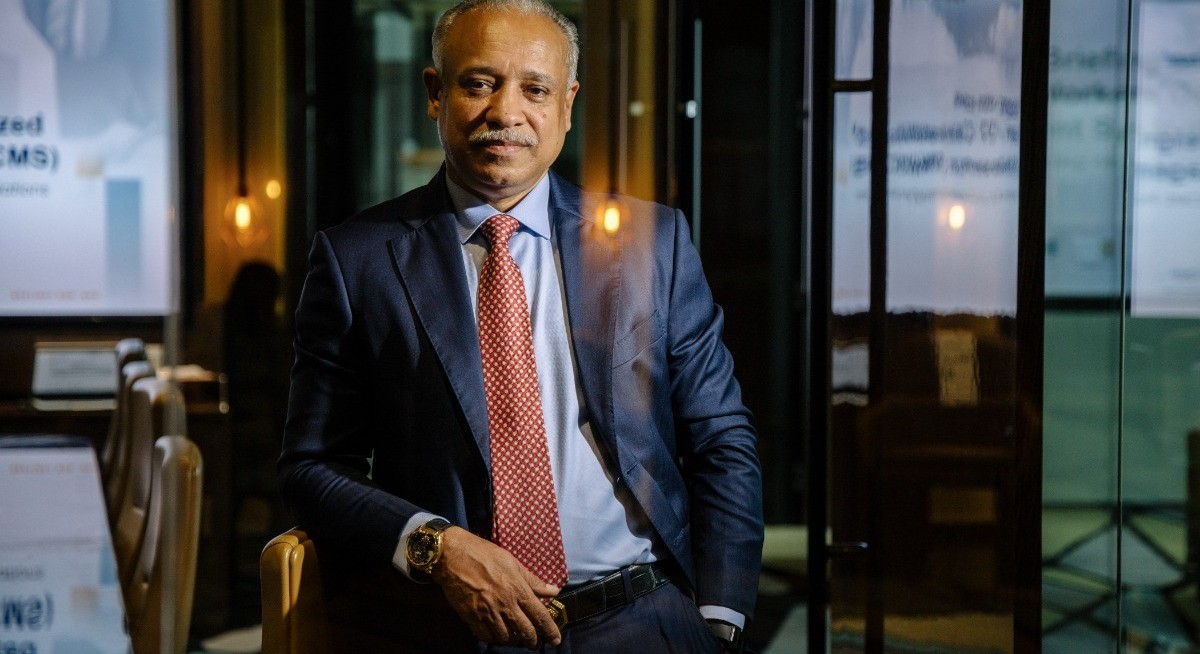
(April 16): Malaysia is planning to adopt a new foreign worker recruitment system developed by Bestinet Sdn Bhd, the company founded by labour tycoon Datuk Seri Aminul Islam Abdul Nor, according to six people familiar with the matter.
The software is being marketed as allowing companies to hire workers directly, rather than using middlemen who charge them excessive fees, the people said, asking not to be identified because the information is private. Called The Universal Recruitment Advanced Platform, or TURAP, it will have a digital portal where employers can sign up and find employees, the people said.
Human Resources Minister Datuk Seri Ramanan Ramakrishnan mentioned the new system in an interview with The Star newspaper in early February but didn’t say Bestinet would be operating it.
Bloomberg News published an investigation in January into endemic corruption in Malaysia’s recruitment of migrant workers from Bangladesh. The article mentioned the roles played in the recruitment process by Aminul, who’s better known as Amin, and Bestinet.
Lui & Bhullar, a law firm representing Amin, said he declined to comment. Amin has denied that he has contributed to migrant workers being charged high recruitment fees and said he has devoted his life to helping them.
Representatives of Ramanan, the Prime Minister’s Office and Bestinet didn’t respond to requests for comments.
Bestinet already operates a software system called the Foreign Workers Centralized Management System, or FWCMS, which Malaysia uses to manage parts of its recruitment, especially from Bangladesh. That system consists of various modules, such as worker health checks and insurance, and also involves recruitment agents.
In an interview with Bloomberg in July last year, Amin likened the system to a highway and said he is not responsible for the people who use it, referring to officials who approve bogus applications or agents who overcharge workers.
In 2024, Bangladesh’s police asked Malaysia to stop using the FWCMS and for Amin to be extradited, alleging he played a key role in a system that “fraudulently extorted” workers. Home Minister Datuk Seri Saifuddin Nasution Ismail said in October that Malaysia’s police are in touch with their Bangladeshi counterparts. Amin hasn’t been extradited or charged.
Ramanan told The Star that Malaysia hopes to adopt the system by the middle of this year. The process is still at an early stage, the people familiar with the matter said, adding it needs to be agreed with the Home Ministry and then approved by the Cabinet.
Ramanan became the human resources minister in a reshuffle in December. The previous minister, Steven Sim Chee Keong, had questioned the proposal, because of concerns including handing more power to Amin and Bestinet, three of the people said.
Representatives of Sim also didn’t respond to questions about the matter.
Several current or former government officials have expressed reservations about using Bestinet’s system, three of the people said. They are also reluctant to give Amin a lucrative contract and even more influence over Malaysia’s recruitment of foreign workers, they added.
Under Amin’s proposal, Bestinet would receive a 12-year contract allowing it to charge companies US$1,000 ($1,270.25) per foreign-worker application, plus a per-worker fee of one month’s salary, three of the people said. Malaysia had 2.1 million registered low-skilled foreign workers as of August, government data showed. The details are still being discussed and may change, the people said.
Three officials briefed on the matter say middlemen might continue to play a role in the countries Malaysia recruits from because it’s difficult for Malaysia to control what happens there.
Some officials also pointed out that direct recruitment might be difficult for big companies looking to bring in thousands of workers, and expressed concern that eliminating licensed recruitment agents could result in more of the recruitment business moving underground, making it harder to control.
In the interview with Bloomberg in July last year, Amin spoke about a new direct-recruitment system that Bestinet was developing, saying it would cut out agents and reduce recruitment costs.
He showed a presentation of the new system, which said it would make Prime Minister Datuk Seri Anwar Ibrahim a contender for the 2027 Nobel Peace Prize. Amin declined to say whether Anwar had seen it but said that “this is the proposal that we have done”.
“Our target, within 36 months from now, is the Nobel Prize,” Amin said. “This is our target. And we will get it.”
Uploaded by Tham Yek Lee
—
Bloomberg 21st April 2026: Malaysia says it’s studying new migrant worker hiring system (regarding alleged criminal syndicate trafficking Bangladeshi workers for forced labour in Malaysia)
The Ministry of Human Resources said such an approach would enable direct recruitment of workers and the recruitment costs would be borne entirely by employers.
PHOTO: AFP
KUALA LUMPUR – Malaysia is exploring the need to develop a new digital platform to improve hiring of foreign workers, according to its Ministry of Human Resources.
Such an approach would enable direct recruitment of workers, with recruitment costs borne entirely by employers, the ministry said in a statement on April 21.
Reports that a decision has been made are untrue and don’t reflect the government’s position, it said.
“All the proposals are still in the evaluation stage and have not been decided and no commitments, appointments or agreements have been made with any parties to date,” the ministry said, without specifying which proposals it was considering.
Bloomberg News reported last week, citing six people familiar with the matter, that Malaysia is planning to adopt a new foreign worker system developed by Bestinet Sdn Bhd, the company founded by tycoon Aminul Islam.
Called The Universal Recruitment Advanced Platform, or TURAP, it will have a digital portal where employers can sign up and find employees, the people said.
In response to the Bloomberg report, Human Resources Minister Ramanan Ramakrishnan told local newspaper the New Straits Times that the matter is still in discussion and that he saw no issue with adopting a new system developed by Bestinet.
Lui & Bhullar, a law firm representing Datuk Seri Aminul, said that he declined to comment.
On April 20, former economy minister Rafizi Ramli and eight other lawmakers said in a statement that Malaysia didn’t need a new recruitment system, and that any project related to national security shouldn’t be done in a public-private partnership.
Mr Charles Santiago, a former Member of Parliament, last week called on the Malaysian Anti-Corruption Commission to investigate the procurement process for the new system.
Bestinet’s Chief Executive Officer Ismail Mohd Noor declined to comment.
Bloomberg News published an investigation in January into endemic corruption in Malaysia’s recruitment of migrant workers from Bangladesh.
The article mentioned the roles played in the recruitment process by Mr Aminul, who’s also known as Amin, and Bestinet.
Mr Amirul has denied that he’s contributed to migrant workers being charged high recruitment fees and said he has devoted his life to helping them. BLOOMBERG
For full background to this story and related issues see blog post at https://andyjhall.org/2026/01/23/23rd-jan-2026-bloomberg-world-exclusive-on-alleged-criminal-syndicate-trafficking-bangladeshi-workers-for-forced-labour-in-malaysia-the-big-take-everyone-gets-a-cut-and-migrant-workers-pay-the-pri/
-—
Edge Malaysia 26th April 2026: Edge Malaysia – How a lucrative Bangladesh labour import scheme to replace FWCMS was shelved from cabinet meeting
KUALA LUMPUR (April 25): A new scheme proposed to replace the controversial Foreign Workers Centralised Management System (FWCMS) has been shelved at the last minute by the government, high-placed sources tell The Edge.
It is understood that Prime Minister Datuk Seri Anwar Ibrahim instructed officials to remove the proposal for the Universal Recruitment Advance Platform, or Turap, from the agenda at a Cabinet meeting earlier this month.
The last-minute decision shows that the government is under pressure from politicians and civil society organisations, as they question the role played by the developer of FWCMS, Bestinet Sdn Bhd, in the new scheme.
Bestinet, founded by Bangladesh-born Malaysian businessman Datuk Seri Aminul Islam Abdul Nor, has been linked to allegations of exploitation of Bangladeshi migrant workers through opaque business practices.
Bestinet and Aminul have denied those allegations, although he is wanted by Dhaka to face charges of money laundering and trafficking of migrant workers.
FWCMS has been used for the recruitment of migrant workers to Malaysia since 2018. In 2024, the government decided to extend the usage of FWCMS until 2031, as the new National Integrated Immigration System will only be ready by 2028.
Bestinet claims that the usage of FWCMS does not cost the government anything. However, Malaysia’s reputation is at stake as long as the opaque practices of migrant worker recruitment continue to pervade.
The latest development on the shelving of Turap shows that Bestinet has become a thorn in the flesh of the Anwar administration. Advocates of migrant workers’ rights are demanding reforms to the system, to ensure no workers will be exploited again in the future.
Lateefa Koya (former MACC commissioner) statement: https://x.com/latheefakoya/status/2015254870442606781?s=46&t=_XQMnLR6Zf7gdwp4T1EXcQ
Charles Santiago (former MP) statement https://x.com/mpklang/status/2047535259449958405?s=46&t=_XQMnLR6Zf7gdwp4T1EXcQ
Wong Chen MP statement https://www.facebook.com/share/1CGHqjaniz/?mibextid=wwXIfr
—

United Nations (UN) NEWS RELEASE 21 Nov 2025 – Malaysia: UN experts sound alarm over continued systematic exploitation of Bangladeshi migrant workers in Malaysia (alleged criminal syndicate trafficking Bangladeshi workers for forced labour in Malaysia)
Sourced from: https://www.ohchr.org/en/press-releases/2025/11/malaysia-un-experts-sound-alarm-over-continued-systematic-exploitation
GENEVA (21 November 2025) – UN human rights experts* today expressed renewed concern about the continued exploitation, deception, and deepening debt bondage of Bangladeshi migrant workers in Malaysia.
“We are deeply troubled that fraudulent recruitment and the exploitation of migrants remain widespread and systematic in Malaysia,” the experts said. “These practices continue to cause significant human rights harms to affected workers and their families.”
The experts noted that, according to information received, thousands of workers recruited through the Bangladesh Overseas Employment and Services (BOES) remain stranded in Bangladesh or face exploitation risks in Malaysia after paying recruitment fees reportedly exceeding the official fees by more than five times. Allegations also include confiscation of passports by employers, false job promises, discrepancies between contracts and promised employment packages, the publication of workers’ passport numbers and other personal information without their consent, and the lack of access to support from responsible government agencies.
“Some migrants have reportedly been asked to make additional payments, while others have been reassigned to jobs without their consent. We have also been informed that a small number of recruitment agencies operate as a closed syndicate sustained by corruption, lack of transparency, and systemic exploitation,” the experts noted. They also received reports of workers being pressured to sign or record false declarations stating that they had only paid official fees shortly before departure.
The experts reiterated that the Governments of Bangladesh and Malaysia have an obligation to ensure that labour migration is governed in a rights-based, transparent, and accountable manner. They urged Bangladesh to strengthen the oversight of recruitment agencies, possibly through a centralised job portal, and prohibit the collection of fees from migrant workers. Malaysia is asked to ensure stronger safeguards to protect migrants from exploitation, arbitrary arrest, detention or deportation. They stressed that involuntary repatriations and any form of reprisals by either governments or employers against migrant workers are wholly unacceptable and violate international human rights obligations.
They called on both countries to conduct prompt and independent investigations into reported abuses, provide effective remedies, including restitution and debt relief, and enhance cooperation to dismantle exploitative recruitment networks.
The experts urged both Governments to strengthen independent oversight in cooperation with civil society, trade unions, national human rights institutions, and UN agencies. In addition, they called for expanded labour inspections in high-risk sectors and effective firewalls between labour rights enforcement/service providers and immigration enforcement authorities. They further urged the Government of Bangladesh to provide pre-departure training for workers on their rights and establish effective reporting channels to secure remedies to migrants.
“We urge both Governments to intensify their efforts to ensure that migrant workers are not criminalised or re-victimised, and that fraudulent recruitment agencies and other responsible actors are held accountable,” the experts said.
They reiterated their readiness to continue constructive dialogue with both Governments and relevant actors.
The experts have been in contact with the Governments of Malaysia and Bangladesh on these issues.
*The experts:
- Tomoya Obokata, the Special Rapporteur on contemporary forms of slavery, including its causes and consequences;
- Gehad Madi, the Special Rapporteur on the human rights of migrants;
- Pichamon Yeophantong (Chairperson), Damilola Olawuyi (Vice-Chairperson), Fernanda Hopenhaym, Lyra Jakulevičienė and Robert McCorquodale, Working Group on business and human rights.
Special Rapporteurs/Independent Experts/Working Groups are independent human rights experts appointed by the United Nations Human Rights Council. Together, these experts are referred to as the Special Procedures of the Human Rights Council. Special Procedures experts work on a voluntary basis; they are not UN staff and do not receive a salary for their work. While the UN Human Rights office acts as the secretariat for Special Procedures, the experts serve in their individual capacity and are independent from any government or organization, including OHCHR and the UN. Any views or opinions presented are solely those of the author and do not necessarily represent those of the UN or OHCHR.
Country-specific observations and recommendations by the UN human rights mechanisms, including the special procedures, the treaty bodies and the Universal Periodic Review, can be found on the Universal Human Rights Index.
UN Human Rights, country page – https://www.ohchr.org/en/countries/bangladesh
For inquiries and media requests, please contact: Satya Jennings (satya.jennings@un.org).
For media inquiries related to other UN independent experts please contact Maya Derouaz (maya.derouaz@un.org) or Dharisha Indraguptha (dharisha.indraguptha@un.org)
Follow news related to the UN’s independent human rights experts on X: @UN_SPExperts.
—
Human Rights Watch 27th Nov 2025: UN Experts Describe System of Exploitation and Mistreatment

Deputy Asia Director
Sourced originally from: https://www.hrw.org/news/2025/11/26/rampant-labor-abuses-against-bangladeshi-migrant-workers-in-malaysia
United Nations human rights experts have highlighted “widespread and systematic” exploitation, deception, and deepening debt bondage of Bangladeshi workers in Malaysia.
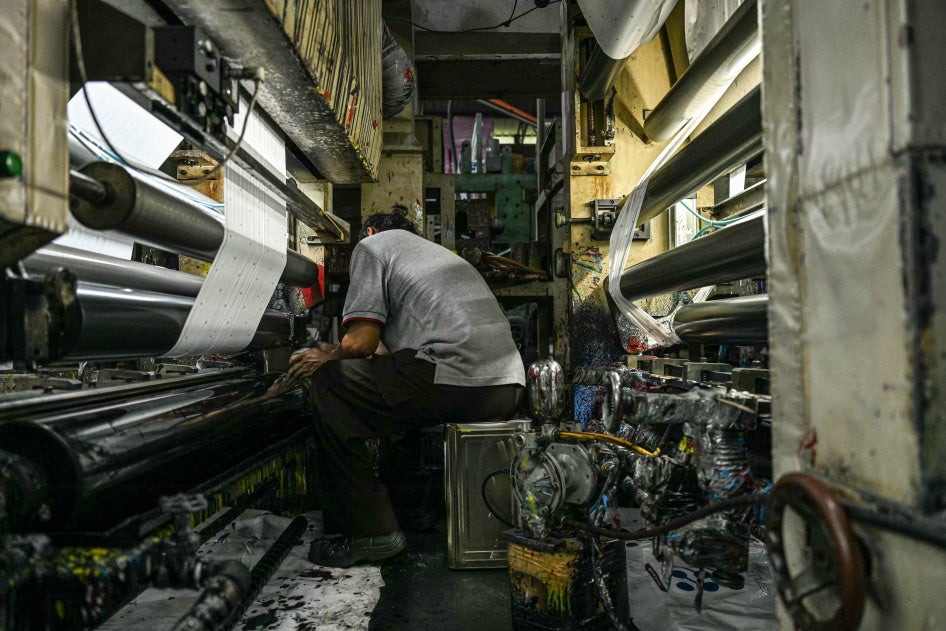
Over 800,000 Bangladeshis have Malaysian work permits, making them the largest group of documented foreign workers in the country. According to information received by the UN, thousands of workers are stranded in Bangladesh or face exploitation in Malaysia after some paid recruitment fees five times higher than the official rate.
TBS 27th Nov 2025: UN experts flag widespread exploitation of Bangladeshi migrant workers in Malaysia – HRW
Other abuses, including confiscation of passports by Malaysian employers, false job promises, discrepancies between contracts and promised employment packages, and a lack of support from responsible government agencies, are common in Malaysia.
Workers without proper documentation are at risk of arrest, detention, ill-treatment, and deportation under Malaysia’s draconian immigration act, which criminalizes irregular entry, and other anti-migrant policies. Malaysian authorities conduct frequent immigration raids and hold an estimated 18,000 migrants, refugees, and asylum seekers in immigration detention centers.
The United States has previously issued import restrictions against Malaysian factories. Meanwhile the European Union’s Forced Labour Regulation, taking effect in 2027, introduces curbs on the trade of goods produced with forced labor. Debt bondage and deception of workers could lead to prohibitions on the sale of sanctioned goods under the new regulation.
The Bangladeshi and Malaysian governments, as well as those of other labor-sending or receiving countries and those where buying companies are headquartered such as the US, EU members, and the United Kingdom, have obligations to ensure labor migration is conducted in a way that protects workers’ rights.
Malaysia and labor-sending governments like Bangladesh should implement the UN experts’ call to promptly investigate reported abuses and provide effective remedies. The experts emphasized that “involuntary repatriations (#Mediceram/Ansell) and any form of reprisals” against migrant workers violate international human rights obligations.
International buyers sourcing from Malaysia should use the Fair Labor Association’s Guidance for Responsible Recruitment for companies as a model. The guidance urges buyers to “include costs of responsible recruitment in their purchasing metrics” and ensure that their suppliers include those costs in their invoicing. Buyers should also support migrant workers’ access to legal aid.
Bangladesh and Malaysia should end mistreatment of migrant workers. All governments whose economies benefit from migrant workers’ labor should avoid the risk of further sanctions by taking steps to end practices that cause misery to thousands.
—
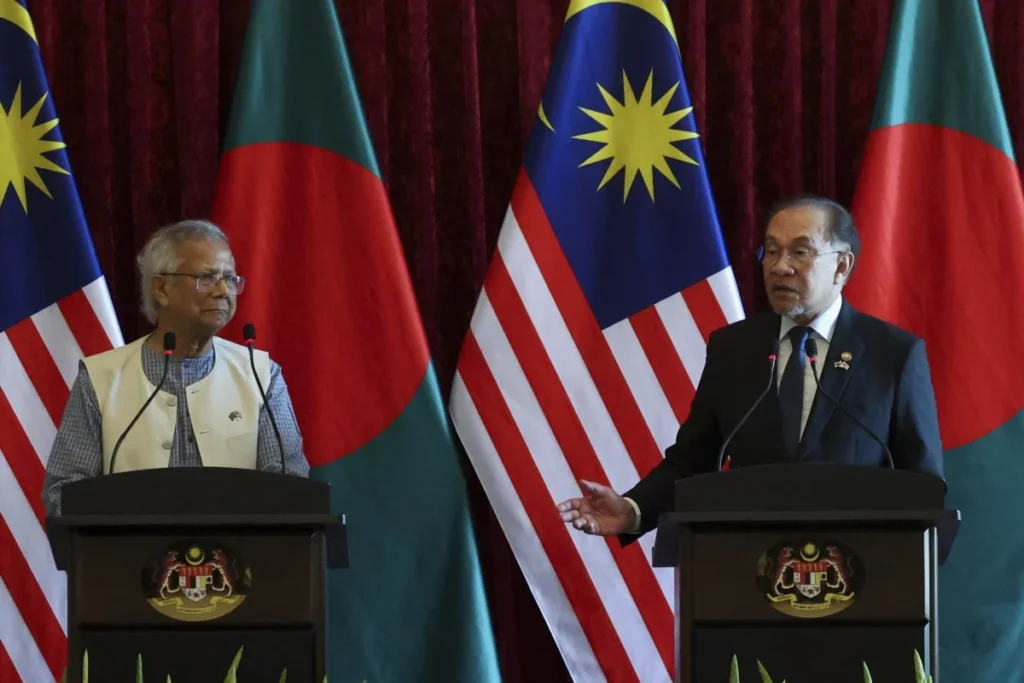
My Opinion Piece 12th August 2025: As Anwar meets Yunus, Corrupted Bangladesh Malaysia Recruitment Corridor Needs Reform
Andy Hall, independent migrant worker rights specialist (andy@andyjhall.org)
Rahman, Bangladesh migration researcher
Bangladeshi migrants are heroes, contributing to their nation’s economy through remittances and to countries like Malaysia through hard work and skills. The Bangladesh to Malaysia migration corridor remains the most economically significant and controversial one for both countries.
Yet Bangladeshi workers face gross exploitation, including debt bondage and modern slavery, migrating to and working in Malaysia.
UN experts in 2024 raised concerns about more than 500,000 of these workers promised meaningful employment but instead facing abuse at the hands of recruitment intermediaries, bogus employers, corrupt officials and failed migration management systems of both countries concerned.
This flawed recruitment system between Bangladesh and Malaysia has involved only a few recruitment agencies, raising assumptions of corruption and impunity that undermine fair competition.
The migration management system involving FWCMS and Bestinet utilized for migration from Bangladesh to Malaysia is accused of non-transparent behaviour and essentially trading in human misery.
Apart from violations of competition and anti-corruption laws, hard to prove without evidence of informal money transfers across borders, suffering of the workers facing extortionate costs and abuse is undeniable.
Workers’ migration costs generally range from 450,000 to 550,000 BDT against a legal limit of 78, 990 BDT. For impoverished villagers, this results in acute debt bondage.
Property is mortgaged or sold, children’s education is sacrificed, health care lost. Lives destroyed.
Recruitment intermediaries, bogus employers and corrupt officials are involved in a criminal syndicate trafficking Bangladeshi workers with false job promises for forced labour and modern slavery in Malaysia, using a migration management system that is shrouded in controversy and abuse.
Once these workers arrive in Malaysia, they often become unemployed and fall into absolute destitution. Many employers are bogus and promised jobs non-existent. Workers become trapped in a living hell.
Debt bondage, document confiscation, restricted freedom of movement, poor housing and limited access to healthcare and food. Many overstay visas and run away to change employers risking arrest, deportation and extortion by corrupt officials once they escape oppressors and protectors. Violence, persecution and powerlessness.
Yet all the time, criminals continue to profit from this inhumane and rotten recruitment scheme.
Due to widespread and repeated malpractices, migration from Bangladesh to Malaysia has been halted four times in 10 years, most recently last year. Around 20,000 workers were left stranded in Dhaka in 2024 when the migration corridor most recently descended into chaos. Only recently they were belatedly offered jobs in a Malaysian construction sector known to abuse.
This labour migration corridor has always been under intense media scrutiny. We pushed the UN complaint to internationalize this issue further in 2024.
There have also been investigations involving Interpol and the Bangladeshi and Malaysian Anti-Corruption commission against masterminds allegedly behind this scam. But still no signs of accountability or justice.
Disappointingly, as administrations change in both countries, the persistence of this flawed recruitment process outlives the leaders. This raises concern if those behind it are even more powerful than those meant to regulate it.
Malaysia’s migration management system is often held up to criticism. Systematically corrupt and allowing impunity, the rule of law has long been undermined. Concern is now even rising of abuses in the Nepal Malaysia migration coridoor too.
Bangladesh’s major political parties also fail to address its broken recruitment and migration management systems that breed exploitation with little prioritization of migrant rights in their reform agendas and government budgets.
Neither BNP’s 31-point proposal nor Jamaat-e-Islami’s 41-point plan demonstrate a strong commitment to addressing the needs of migrants but rather lack of political will to safeguard their rights.
Stubbornly, recruitment costs paid by Bangladeshis remain some of the highest in the world.
Local media reports on two high level meetings between Bangladesh and Malaysia held in Dhaka and KL in May to discuss reopening this migration corridor suggest tragic lessons learnt from the abuse of millions of Bangladeshis in Malaysia in the past decade may still not have been fully acknowledged and acted on.
The media has reported the interim Bangladeshi administration has responded to Malaysia’s recent request to withdraw accusations and stop investigations into the Malaysia recruitment corridor by stating Malaysia was not involved in misconduct or ill-treatment.
This misguided approach to reopening an abusive migration corridor tramples on the voices of millions of exploited workers.
Halting investigations into an illicit recruitment system between Malaysia and Bangladesh, or claiming no one is culpable when there is just so much evidence of the harm done is cruelly denying the abuse, preventing accountability and undermining the rule of law.
This approach only reinforces the Bangladeshi and Malaysian states’ decades old failure to protect migrant rights and reform their broken recruitment systems. It prevents the pursuit of justice and is an affront to human dignity.
The existing MoU on migration between the two nations allows for workers’ exploitation, funneling illicit profits to masterminds and undermining the rule of law. Key parts of the text should be changed.
Instead of getting to the root cause of the problems, which lies with corruption and human cruelty, both governments appear instead to be disconnected from human suffering. They perhaps overlook exploitation or conceal abuses to save face yet ignore joint national, economic and human security interests.
Both governments will fail millions of victims of this persistently abusive migration corridor if they don’t reform it and surrender again, in the interests of political expediency, to trafficking of Bangladeshis for forced labour.
UN organizations should again raise these concerns to both governments, as they did in early 2024. Diplomats and global supply chain actors whose operations are deeply entwined with this migration corridor should be speaking out too.
If today’s meeting between Anwar Ibrahim and Muhammad Yunus in Putrajaya, Malaysia results in abusive migration management systems winning out again between Bangladesh and Malaysia, casting basic human rights aside, it puts millions more Bangladeshis at risk of modern slavery through shameful indictment of a rotten system that refuses to change and which we all have failed to expose and regulate.
—
Kathmandu Post 8th June 2025: Nepal Malaysia migration corridor – Attempts to impose a total employment syndicate from Nepal to Malaysia have raised concerns (My Op Ed)
In 2023, more than 220,000 Nepalis went to Malaysia, the most popular destination for workers seeking income. Although Malaysia is an ‘attractive’ destination for Nepali citizens, most suffer gross exploitation in reality when migrating to and working in the country. High recruitment costs and related debt bondage, false terms of employment, and dangerous, dirty and demeaning jobs. Fake employers acting as outsourcing agents treat workers like cattle or leave them at risk of arrest, extortion and deportation.
Attempts to impose a total employment syndicate from Nepal to Malaysia have raised concerns.
Original Source: Kathamandu Post – Published: June 8, 2025 – Andy Hall & Dhurba Mijar
Nepalis in Malaysia also experience ineffective grievance mechanisms and dire consular assistance from the Nepali Embassy, in addition to passport confiscation, limited freedom of movement, violence and even death. Security guards, a job assigned exclusively to Nepali foreign workers, face some of the worst exploitation, ranging from excessive, compulsory overtime, no day off, irregular salary payment and deductions, poor housing, to lack of access to healthcare.
Most recently, from 2022 to 2024, the Bangladesh–Malaysia migration corridor was completely controlled by a syndicatethat led to the trafficking of Bangladeshi workers for forced labour in the country. The UN condemned this abuse in multiple statements, as workers shouldered debts of $5,000 and destitution once they arrived in Malaysia at non-existent jobs. Recruitment, travel, visa and medical check agencies were all selected to be part of the exclusive syndicate, which saw most business actors shut out.
Similarly, some syndicates have allegedly existed in Nepal’s migration processes to Malaysia for medical, visa, or security. However, migration costs from Nepal to Malaysia are lower than those from Bangladesh, and the entire recruitment system has never been syndicated. The number of agencies processing workers for migration to Malaysia was never restricted. However, similar efforts to impose a total syndicate from Nepal to Malaysia, like those in Bangladesh, have recently sparked accusations and denials.
The Malaysian migration system is rotten. It is plagued by systemic corruption, impunity and a lack of the rule of law. There is also an absence of a long-term migration policy that equally prioritises national, economic and human security. But the recently exposed Bhutanese refugee scam and the fake visit visa scandal have revealed widespread abuse of power in Nepal, too. Nepalis are trafficked into debt and forced labour across the world, and the ministers seem increasingly complicit in this.
Malaysia is a relatively developed country reliant on migrant labour-intensive global supply chains. It exports products made using foreign labour, such as palm oil, garments, electronics and furniture. Malaysia is obliged, at least on paper, to adhere to international Environmental, Social & Governance (ESG) frameworks. Any form of syndicate when recruiting workers into its global supply chains that increases recruitment costs, forced labour and debt bondage risks, and dilutes transparency and fair competition raises questions about its commitment to ESG principles.
Migrant debt bondage due to exorbitant recruitment costs resulted in the US Customs and Border Protection placing a forced labour import ban on several prominent Malaysian companies from 2020 onwards. These companies paidmillions to workers, with the highest amount to those from Bangladesh, as reimbursement for recruitment costs to victims of abuse to clear their names.
If a total syndicate is implemented to tightly control who can process workers for migration within the Nepal-Malaysia migration corridor, it will lead to cronyism, processing delays and higher costs. Political coalitions in the country could also disintegrate over corruption controversies. This would not only affect the Nepali government and its workers, but also responsible Malaysian employers.
Despite significant implementation weaknesses, Nepal’s lower-cost recruitment policies attracted responsible Malaysian companies to hire Nepalis rather than Bangladeshis until May 2024, when all recruitment was suspended due to systemic irregularities and abuse. However, if a syndicate is implemented for Nepal, decent companies in Malaysia will shun recruiting Nepalis for alternatives where syndicates are not active.
This would leave Nepalis migrating to Malaysia only for jobs in sectors that do not prioritise worker welfare and are not linked to global supply chains, such as security, cleaning, local restaurants, construction and local manufacturing. The syndicate will burden Nepalis financially, ensuring higher recruitment costs whilst profiting corrupt actors. Illegal transactions of laundered cash to pay the demanded illicit commission in Malaysia would rise, affecting the national economy and raising questions about commitments to financial governance.
International efforts to develop a responsible recruitment framework focused on Malaysia’s migration corridor were most successful in Nepal. If a recruitment syndicate is implemented, these achievements will be lost, and Nepalis will face a sad situation similar to that of Bangladeshis.
Discussions are underway about only letting a few manpower agencies participate in a syndicate. This means others will be excluded from Malaysia’s labour market, forced to lay off staff or close. This would violate Nepal’s Constitution and the Competition Promotion and Market Protection Act of 2007, guaranteeing citizens the right to sell goods and services fairly and competitively. Any syndicate could and would be challenged in the Supreme Court.
However, it is necessary to end unhealthy competition and corrupt practices of most manpower agencies in Nepal, such as paying higher commissions to secure manpower demands over competitors at any cost to workers or Malaysian agents or employers.
The 2018 MoU signed between Nepal and Malaysia concerning recruitment, employment and repatriation of Nepali workers helped slightly to promote dignified labour migration. However, both governments’ lack of concern in reviewing the agreement, which expired last year, raises doubts about their commitment to worker welfare.
Despite the necessity of discussions on improving the welfare of workers migrating from countries like Nepal and Bangladesh to Malaysia, we are forced to focus on preventing monopolistic practices that threaten workers’ most basic rights.
Any non-transparent monopoly in Nepal’s migrant worker recruitment processes will harm the country’s remittance-dependent economy. If everyone remains silent as recruitment syndicates develop, the exploitation of Nepalese will deepen.
Nepal’s recruitment industry should engage the government to develop more responsible recruitment systems for Malaysian and other key destination countries for Nepali workers. The government of Nepal should also ensure its cabinet ministers do not sign unfair agreements and instead take the lead in building collective efforts with other migrant source countries, like Bangladesh, to stand against the bullying tactics of corrupt groups—both in Malaysia and Nepal—that may be seeking to expand a recruitment syndicate.
Nepal should strengthen ethical recruitment processes to impose upon destination countries that are desperate for loyal and hard-working Nepali nationals. Similarly, Malaysia, in coordination with countries like Nepal, must reform its rotten migration management systems and prioritise on worker welfare, ensuring transparency, and fulfil its obligations as a developed nation to stop the spread of exploitation, impunity and a lack of rule of law into recruitment experiences of the region’s most vulnerable migrant workers.

Andy Hall
Hall is an independent migrant worker rights specialist.

Dhurba Mijar
Mijar is the director and founder of Migration Dristi.
—
Further Background Reading
Daily Sun December 2025 News Series – BANGLADESHI MANPOWER EXPORT: CORRUPTION AT EVERY STEP – PART I, II, III and IV
Malaysiakini 21st Dec 2025: Bangladesh court questions M’sia’s 10 conditions to supply workers
Malaysiakini 13th Dec 2025: Dhaka clamps down on M’sia-linked worker ‘syndicate’, 232 implicated
Malaysiakini 3rd Dec 2025: Syndicate exploiting (trafficking) Bangladeshi workers for forced labour in Malaysia exists, agent tells Bangladesh court
TBS 27th Nov 2025: UN experts flag widespread exploitation of Bangladeshi migrant workers in Malaysia – HRW
TPBS 23rd Nov 2025: Bangladeshi workers pay up to RM30,000 for jobs in Malaysia – Former Malaysian plantations minister speaks out in dhaka
Daily Star 22nd Nov 2025: UN – Intensify efforts to safeguard migrant workers
Malaysiakini 22nd Nov 2025: UN – Continued exploitation of Bangladeshi workers in M’sia alarming
FMT 21st Nov 2025: UN experts flag ‘continued exploitation’ of Bangladeshis in Malaysia
21st Nov Daily Star: Malaysia should relax criteria for recruiters
19th Nov UNB: Some conditions set by Malaysia for labour recruitment ‘unacceptable’: Asif Nazrul
19th Nov 2025 TBS: Bangladesh objects to Malaysia’s conditions over recruitment syndicate fears: Asif Nazrul
Nepali Times 16th Nov 2025: Nepal, Bangladesh reject Malaysian conditions – Ball back in Malaysia court on its strict new migrant labour recruitment criteria
15th Nov TBS News: After losing lakhs to ‘syndicate’, left-behind Bangladeshi workers in debt bondage and modern slavery paying yet again for Malaysia
Malaysiakini 9th Nov 2025: Bangladesh court orders fresh probe into worker-sending syndicate to M’sia
FMT 7th Nov 2025: New hiring conditions will perpetuate monopoly, ex-MP warns
Kaler Kantho 7th Nov 2025 – Migrant labour market: Bangladesh sends letter to Malaysia to relax three syndicated recruitment conditions after Nepal rejects outright
Malaysiakini 6th Nov 2025: Nepal govt rejects Msia’s new labour requirements
Malaysiakini 6th Nov 2025: New Malaysian migrant worker ‘syndicate’ rules spark scandal in Nepal as millions in bribes allegedly paid to intermediaries to secure recruitment market
See also Kantipur Nov 5th 2025: Nepal sends letter to Malaysia, says manpower standards cannot be accepted
Malaysiakini 4th Nov 2025: ‘10 conditions to supply migrant workers will revive syndicate’ in Malaysia, say international groups
See also Kantipur Nov 3rd 2025: Malaysia’s manpower standards being finalized through diplomatic dialogue, says Nepal
See also 31st Oct 2025: Malaysian migrant Recruiters demand withdrawal of ‘irrational conditions’ for sending workers to Malaysia
See also 31st Oct 2025 Benarma – Malaysian Home minister: Bangladesh’s extradition request for Bestinet founder managed through govt, police channels
See also Nepali Times 30th Oct 2025: Who gets to recruit for Malaysia? Malaysia’s new 10-point recruiter selection criteria risks punishing the good migration actors
See also TBS 28th Oct 2025: Malaysia seeks ‘rationalisation’ of recruiting agencies based on 10 criteria
See also Dhaka Tribune 28th Oct 2025: Recruiting agencies warn of monopolization in Malaysia labour recruitment. They accused the ministry of creating a new recruitment syndicate – Baira leaders said 99% of agencies would be excluded
Business Standard 15th August 2025:Bangladesh, Malaysia have agreed to establish transparent recruitment system for workers – Bangladesh Chief Advisor Yunus
Bernama 14th August 2025: Bangladesh, Malaysia push for transparent hiring of workers (Bangla version here)
Daily Star 14th Aug 2025: Chief Advisor’s Malaysia Tour Boosts Dhaka KL Ties But Migrant Worker Issues Sidelines
SCMP 12th Aug 2025: Malaysia-Bangladesh labour migration talks resume amid job scam fears
Daily Star 12th August 2025: Human trafficking charges – CID clears ex-minister, secy after KL’s request
Daily Star 12th Aug 2025: Migration rights groups alarmed over possible clearing of Malaysia recruitment syndicate suspects
August 12th 2025 Bangla Tribune: Bangladesh Civil Society for Migrants (BCSM) demands open and transparent sending of workers to Malaysia
Malaysiakini 11th August 2025: Alleged members of Bangladeshi workers’ syndicate may walk: Report
Business Standard 10th August 2025: As Anwar and Yunus meet in Malaysia today, recruitment syndicate actors cleared of misconduct, news report suggests – Malaysia labour ‘syndicate’: Lotus Kamal’s family, 3 ex-AL MPs cleared of exploitation charges
Business Standard 1st August 2025: Malaysia to hire workers who missed last year’s deadline in construction, traditional sectors: Bangladesh mission in KL
Malaysiakini 31 July 2025 – ‘Source: Bangladesh to stop probing migrant workers’ exploitation syndicate’
Kathmandu Post 8th June 2025: Nepal Malaysia migration corridor – Attempts to impose a total employment syndicate from Nepal to Malaysia have raised concerns (My Op Ed)
Malaysiakini 7th June 2025: Duped, deported, and in debt: Nepal’s migrant worker trap
TBS 23rd May 2025: Malaysia to reopen labour market to Bangaldeshi migrants, syndicate stays but may expand agency list
20th May 2025: BAIRA faction alleged attack during press briefing against Malaysian labour market syndicate
Daily Star 19th May 2025: ‘Job scam’ – 33 Bangladeshis sue Malaysian firm, govt for Tk 4.8cr
16th May 2025 Channel News Asia (CNA): Malaysia to resume recruitment of stranded Bangladeshi workers, vows to protect them from abuse, fraud
Daily Star 16th May 2025: Malaysia job market – Bangladeshis may be given preference
Star 16th May 2025: Malaysia committed to protecting Bangladeshi workers from exploitation, says Saifuddin
Daily Sun 16th May 2025: Malaysian labour market beckons Bangladeshis again
New Nation 16th May 2025: Malaysia labour market set to reopen
Bloomberg EXCLUSIVE 15th May 2025: Malaysia Asks Bangladesh to Withdraw Migrant Labor Probes
FMT 15th May 2025: Bangladesh clears Malaysia of labour abuse claims
Daily Star Editorial 15th May 2025: Don’t let Malaysia recruitment syndicates exploit migrants again – Workers’ rights must be prioritised during bilateral talks
SCMP 15th May 2025: Malaysia, Bangladesh urged to act on labour trafficking before ending migrant worker freeze
FMT 15th May 2025: Malaysia asks Bangladesh to withdraw migrant labour probes (taken from Bloomberg media)
Daily Star 15th May 2025: Bangladesh Malaysia agrees to recruit ‘large number’ of Bangladeshi workers
Daily Star 14th May 2025: Bangladeshi migrants in malaysia: Dhaka’s uphill battle to break syndicate chains
Daily Sun 15th May 2025: REOPENING OF MALAYSIAN LABOUR MARKET – A new deal or another compromise with syndication?
TBS 14th May 2025: Rights body urges syndicate-free hiring as expatriate adviser visits Malaysia
FMT 14th May 2025: Malaysia-Bangladesh labour talks must address cartel issues, says ex-MP as Bangladeshi Expatriates Advisor Arrives in Malaysia
ProthomAlo 18th April 2025: Bangladesh: Awami League supporters are dropping out, but the ‘Malaysia Circle’ is trying to form again
FMT 7th Apr 2025: Activist warns of syndicate threat to migrant labour reforms in Malaysia
TBS 8th May 2025: Halt Malaysia worker flow if syndicate persists: Labour stakeholders to govt
Bangla News 24 8th 2025: Fraud in manpower export to Malaysia
That dream is still elusive (Bangladeshi Language)
Ratopati 8th May 2025: Foreign employment: Syndicate of manpower professionals in Nepal tries to exclusively send migrant workers to Malaysia (Nepali language)
Madhyahana Daily 7th May 2025: There Is No Possibility Of Forming A Syndicate In Nepal Malaysian Employment: Nepal Labor Minister Bhandari Statement
SajhaSabal 6th May 2025: Foreign Employment Nepal – Malaysia Employment: Are Recruitment Syndicate Operators in Nepal and Malaysia More Powerful Than the Government? Whose Plan Is This? (Bangladeshi Malaysia like recruitment syndicate fears hit Nepal Malaysia recruitment market) (Nepali Language)
5th May 2025 Daily Star: BAIRA urges govt to reopen Malaysian labour market
5th May 2025 Kalerkantho: Fraud in manpower export to Malaysia – 8 billion taka of workers’ money in Swapan’s pocket
5th May Prothomalo: Bangladesh Memorandum to the Chief Advisor – Demand to open Malaysia’s labor market to all legal agencies
Kalerkantho 1 May, 2025: Swapan-Amin’s luxurious life with workers’ money from Bangladesh/Malaysia migrant worker recruitment scam
Kalerkantho 01 May, 2025: Bangladeshi Workers are living inhumane lives in Bangladesh without getting their money back due to Malaysian recruitment syndicate/scam
30th April 2025 Kalerkantho: Swapan-Amin cycle active again – Fraud in manpower export to Malaysia
5th Nov 2024: Bloomberg – Bangladesh Asks Malaysia to Arrest Businessmen in Migrant Trafficking Case
PSM/Rani Rasiah 11th Nov 2024 – Extradition call – Justice in sight for migrant worker recruitment fraud victims?
Daily Star 11th Nov 2024: Dhaka, KL must act to end trafficking
FMT 10th Nov 2024: Govt wants Dhaka to clarify extradition request for duo
FMT 7th Nov 2024: Silence not an option, govt told, as Bangladesh seeks duo’s extradition
Free Malaysia Today 6th Nov 2024: Bestinet founder denies misconduct amid report of extradition
CNA 6th Nov 2024: Bangladesh asks Malaysia to arrest and extradite 2 businessmen over alleged migrant worker trafficking and extortion
Commentary: Anwar faces political tricky situation in tackling migrant labour issues

Corruption crackdown in Bangladesh sends tremors through Malaysia’s migrant labour ecosystem

Malaysia’s bid to revamp hiring of foreign workers faces pushback; activists say country’s reputation at stake
6th Nov 2024: Malaysiakini – Amid extradition call, Bestinet founder denies money laundering claim
Malaysiakini 5th Nov 2024: Bangladesh wants M’sia to extradite Bestinet founder, associate
UCA News 7th Oct 2024: Ending Bangladeshi workers’ Malaysian plight is a test for their leaders
Daily Star 6th Oct 2024: Anwar ibrahim’s visit: A chance to root out graft from labour hiring
SCMP 5th Oct 2024: Malaysia must slash fees, smash cartels to reopen Bangladesh labour market – rights groups
5th Oct 2024: Benar News – Malaysia’s PM Anwar promises Bangladeshi migrant workers will be treated fairly
Reuters Oct 4th 2024: Malaysia PM Anwar Ibrahim to visit Bangladesh, focus on labour issues
Benar News Oct 4th 2024: PM pledges priority for Bangladesh migrant workers who missed out
Daily Star Oct 5th 2024: Diplomacy – Malaysia entry debacle – Anwar Ibrahim to consider issue of Bangladeshi workers
Daily Star Oct 5th 2024: Amending MoU on Malaysia-bound Bangladeshi workers can bring a sea change
Daily Star 5th Oct 2024:
Labour Export – President seeks support from Malaysia
New Age Oct 5th 2024: Malaysian PM pledges new entry of 18,000 migrant workers from Bangladesh
20th Sept 2024: Prothmalo – Aminul and Ruhul Amin involved in alleged migrant worker syndicate money ‘laundering’ to Malaysia
20th Sept 2024: Scoop – MACC’s Bestinet probe is ‘NFA’, no proof of other money-laundering claims: Azam Baki
20th Sept 2024: Malaysiakini – Bestinet denies money laundering allegations
Daily Star Sept 7th 2024: Dismantling the recruitment syndicate for Malaysian labour market
FMT 7th July 2024: Use independent experts for migrant system audit, says anti-graft group
MALAYSIAKINI 6th July 2024 C4CENTER COMMENT: Massive migrant labour recruiting issues, cops must probe
NST 6th July 2024: Probe foreign labour recruitment misgovernance highlighted by PAC, govt urged
FMT 6th July 2024: Anti-corruption watchdog demands action over govt-Bestinet deal
Malay Mail 6th July 2024: Home minister says will review PAC criticism over migrant worker system launched without contract
Star 5th July 2024: Mutual termination clause in Bestinet contract puts Putrajaya in ‘challenging position’, says Public Accounts Committee report
4th July 2024 BSS News – Expatriates Minister Shofiqur directs returning money to workers who failed to go to Malaysia
4th July 2024 New Age – Bangladeshi Agencies must refund workers unable to go to Malaysia by July 18: ministry
FMT 4th July 2024: Govt urged to heed PAC’s call on migrant worker system
Star 4th July 2024: Human Resources Ministry to conduct internal audit
Star 4th July 2024: PAC uncovers serious flaws
FMT 3rd July 2024: Decide quickly on direction of migrant worker system in Malaysia, Public Accounts Committee tells govt
Vibes 3rd July 2024: Foreign worker management system operating 6 years without a contract
3rd July 2024: The Edge – Public Accounts Committee chastises govt for running foreign worker recruitment system for six years without contract
Malaysiakini 3rd July 2024: BESTINET Probe – Public Accounts Committee chief says ‘Datuk Amin’ not among witnesses
3rd July 2024: The Star – Bestinet told Public Accounts Committee unauthorised users were approved by HR Ministry personnel, report shows
FMT 2nd July 2024: Tenaganita letter to Editor – TIP upgrade no cause for celebration just yet
30th June 2024: Somoy News – Bangladeshi High Court orders disclosure of action on Malaysia migrant worker scam (with 500,000+ victims) in 7 days
Malay Mail 25th June 2024: Home minister sees good things for Malaysian businesses after upgrade to US trafficking ranking
The Star 25th June 2024: Malaysia will strive to reach Tier 1 in Trafficking In Persons report, says Saifuddin
Scoop 25th June 2024: Nation’s improved Tier 2 human trafficking ranking ‘dangerously misleading’, says activist
See also MALAYSIAKINI 25th June 2024: M’sia doesn’t deserve Tier 2 in US human trafficking ranking – activist
Daily Star 26th June 2024: Rights activists criticise Malaysia’s improved ranking
See also Benar News 24th June 2024: Malaysia advances in US State Dept’s world rankings for anti-human trafficking efforts
See also FMT 24th June 2024: Malaysia upgraded to Tier 2 in US human trafficking report
See also Benarma 25th June 2024: Malaysia upgraded to Tier 2 in U.S. TIP Report
See also Focus Malaysia 25th June 2024: Migrant workers’ activist – Malaysia doesn’t deserve Tier 2 upgrade in 2024 US human trafficking report
See also 25th June 2024: Home Ministry welcomes country’s Tier 2 upgrade on Trafficking in Persons 2024 report
See also FMT 25th June 2024: Home ministry open to working with NGOs against human trafficking
See also Star 25th June 2024: Malaysia upgraded to Tier 2 in latest Trafficking in Persons report
SCMP 25th June 2024: Malaysia’s upgrade in US human trafficking index decried as ‘disappointing’ amid migrant worker woes
24th June 2024 Exclusive Analysis: CNA – Extension of Malaysia’s controversial migrant labour ecosystem (involving BESTINET) a blow to PM Anwar’s reform agenda
See New Strait Times 24th June 2024: Malaysian Government Forms Committee to Review Terms of Bestinet’s 3 Year Extension
FMT 24th June 2024: Bestinet contract extended, confirms Saifuddin – ‘Home minister Saifuddin Nasution Ismail says the Cabinet decided in principle on the extension ‘several weeks ago’.
Malay Mail 24th June 2024: Home Minister – Bestinet keeps foreign worker system contract for three more years, but with stricter terms
Bernama News 24th June 2024: Committee set up to Peruse Terms and Conditions of BESTINET Contract
FMT 24th June 2024: Bestinet to surrender control of workers management system under new deal
FMT 24th June 2024: Bestinet should be phased out eventually, says ex-MP
Malaysianist 18th June 2024: Minting money from a migrant services monopoly (click to subscribe for full article)
9th June 2024 Daily Star – Labour Recruitment from Bangladesh to Malaysia: Syndicate wins, migrants suffer, country loses(excellent summary how bad triumphed, carnage resulted – Bangladesh and Malaysia MUST be downgraded to Tier 3 in the upcoming U.S. TIP report!)
Dhaka Tribune 11th June 2024: Deadline extended for Malaysia migration hurdle complaints
Business Standard 11th June: Unrest within Baira over Malaysian labour market, ruckus in AGM as committee members assaulted
Observer 9th June 2024: Around 2,900 complaints lodged by deprived Malaysia-bound migrants
Malaysianist 6th June 2024: The fat cat ruling the Malaysian migrant services roost(allegations of systemic corruption involving Malaysia’s migrant worker management systems – click to subscribe)
Business Standard 5th June 2024: Govt to take action over failure in sending workers to Malaysia: PM Hasina
4th June 2024 Daily Star (Op Ed): Break the syndicates, not the dreams of Malaysia-bound workers
SCMP 4th June 2024 – In Malaysia, business and human rights must go hand in hand, UN rights chief says in KL press conference against backdrop of systemic migrant worker abuses
New Straits Times 4th June 2024: Human rights-centric practices essential for foreign investment, says UN
4th June 2024 Business Standard: NHRC orders probe into alleged embezzlement of Tk150cr from Malaysia-bound workers
4th June 2024 Business Standard: 47,809 Bangladeshis flew to Malaysia in May – highest since labour market reopened in 2022
Daily Sun 3rd June: IRREGULARITIES IN MIGRATION TO MALAYSIA – Recruiting agencies never made accountable(good historical summary)
Business Standard 4th June 2024:Dhaka-20, Feni-2 MPs deny allegations of involvement in embezzling money from Malaysia-bound workers
SCMP 3rd June 2024: ‘Nothing left for me’ as thousands of Bangladeshi workers lose everything in failed bid to work in Malaysia
Daily Star Editorial 3rd June 2024: Must our migrants pay the price every time?
Prothomalo 3rd June 2024 – Bangladesh Labour market: Hapless workers lose all vying to go to Malaysia
Daily Sun 3rd June 2024: IRREGULARITIES IN MIGRATION TO MALAYSIA: Recruiting agencies never made accountable
FMT 3rd June 2024: 17,000 Bangladeshi workers stranded, Dhaka pleads for time
Daily Star 3rd June 2024: 16,970 Bangladeshis failed to reach Malaysia for mismanagement, more destitution and modern slavery will result
Daily Star 3rd June 2024 – Bangladeshi Migrant Worker Exploitation and Malaysian Labour Market Alleged Criminal Syndicate: The agencies picked by KL to blame, Bangladesh tells UN OHCHR
Daily Star 2nd June 2024: Controversial recruitment system to stay 3 more years
Daily Star 2nd June – Jobs in Malaysia: Mismanagement left over 3k workers with no ticket to KL
Daily Star 1st June 2024: Must history repeat itself with the Malaysian labour market’s alleged criminal syndicate trafficking Bangladeshi migrant workers for forced labour
MALAYSIAKINI June 1st 2024: Controversial worker management system BESTINET gets new lease, sources say
1st June 2024 Kalerkantho: Malaysia’s dream ends in deprivation for Bangladeshi migrant workers of criminal syndicate
FMT 31st May 2024: Expect Bangladeshi workers to be stranded and at high risk of modern slavery following Malaysian migration management deadline rush, warns activist
SCMP 31st May 2024: Malaysians shocked by thousands of Bangladeshis crowding at airport to beat deadline for legal work, as UN and activists warn of increased modern slavery risks
CNA 31st May 2024: Over 30,000 workers set to miss deadline to enter Malaysia even as officials clear backlog at KL airport
Prothomalo 31 May 2024 – Bangladesh – Malaysia’s labour market: Repeated syndicates, repeated closure
Prothomalo 31st May 2024: Bangladesh – Thousands of people crowded Dhaka airport without flight tickets to go to Malaysia
31st May 2024 FMT: Govt reaffirms commitment to protect migrant workers’ rights to UN
31st May 2024: The closure of the labor market in Malaysia has shattered the dreams of 31,000 workers
Daily Star 31 May 2024 – Recruitment in Malaysia: Syndicate siphons over $1b out of Bangladesh
Daily Sun 31st May 2024: Biman sends 2,000 migrant workers to Malaysia
Business Standard 31st May 2024: Malaysia-bound workers scammed, stranded at Dhaka airport as deadline set to expire today
Daily Star 30th May 2024: Manpower syndicates beyond Dhaka-KL control
CNA 30th May 2024: ‘Congestion’ at KL airport as employers scramble to bring in thousands of migrant workers before deadline
MALAYSIAKINI 30th May 2023: ‘Migrants influx at KLIA due to employers chasing deadline’
30th May 2024 Benar News: Malaysia’s labor market closed – Migrant workers flock to airports in all countries
29th May Daily Star: Bangladeshi workers in Malaysia – Hiring begins with bribery (UN independent experts say Bangladeshi workers pay up to 8 times for migration alone due to corruption of Malaysia ministries, Bangladesh mission and syndicates)
29th May Daily Star: Airfare to Malaysia surges fivefold
FMT 28th May 2024: Malaysia yet to respond to UN concerns on alleged criminal syndicate trafficking Bangladeshi migrant victims for forced labour in the country(with my full statement included)
30th May Star: Cyclone smashes Bangladeshi workers’ hopes, extension requested
Channel News Asia 25th May 2024: Malaysia’s bid to revamp hiring of foreign workers through controversial BESTINET process faces pushback; activists say country’s reputation at stake
20th May 2024 FMT: Duped Bangladeshi workers won’t impact Malaysia’s US Human trafficking report ranking, says HR Minister Sim
Malay Mail 17th May 2024: Pengerang employer to face Labour Court in Malaysia after failing for months to pay Bangladeshi workers’ wages over RM1m (government statements and my comments included – months on, court agreed mediation settlement unforced, workers allegedly remain in situation akin to acute modern slavery)
16th May 2024: Firm that left over 700 Bangladeshi workers to dry in Pengerang facing possible prosecution (months on, court agreed mediation settlement unforced, workers allegedly remain in situation akin to acute modern slavery)
14th May 2024: FMT – Activists warn of US trafficking report downgrade for Malaysia amid UN criticism
9th May 2024: Study: 96% of Bangladeshi workers going to Malaysia fall into recruitment debt– The study also said that 82% had two or more loans and 73% of workers spent at least 50% to 100% of their monthly salary to repay recruitment debts
4th May 2024: UN agencies concerned over Bangladeshi workers stranded in Malaysia – Joint Statement of ILO, IOM and UNODC on Alleged Criminal Syndicate Trafficking Bangladeshi Workers for Forced Labour in Malaysia
24th April 2024: Address plight of duped Bangladeshi migrant workers in Malaysia in response to UN warning, govt told (more on the ongoing saga of an alleged criminal syndicate trafficking Bangladeshi migrant workers for forced labour in Malaysia)
FMT 19th April 2024: UN experts sound alarm over plight of duped Bangladeshi migrants in Malaysia
For more on Andy Hall’s complaint to the OHCHR see 30th Oct 2023: FMT: Andy Hall refers stranded Bangladeshi workers’ plight in Malaysia to UN Human Rights Council
See Daily Star 23rd Apr 2024: Bangladesh Plight of Migrant Workers – Bangladesh, Malaysia working group meeting likely in May
See Daily Star Editorial 23rd Apr 2024: When even legal migrants suffer – Workers migrating to Malaysia legally deserve better protection
Business Standard 23rd April 2024: Expat Ministry reviews UN complaints on Bangladeshi workers in Malaysia
Prothomalo 23rd April 2024: Bangladesh – Ministry reviewing allegations over Malaysia labour market
BenarNews Malay Language: Pakar PBB gesa Malaysia tangani layanan buruk diterima pekerja Bangladesh (UN expert urges Malaysia to handle bad treatment received by Bangladeshi workers)
Daily Star 19th Apr 2024: UN experts express dismay over situation of Bangladeshi migrants in Malaysia
FMT 19th Apr 2024: PSM, news portal set aside order to stop debate on migrant workers’ plight
Daily Star Editorial 17th April 2024: Save our migrants in Malaysia (more on the crisis caused by an alleged criminal syndicate trafficking Bangladeshi workers for forced labour in Malaysia)
9th April 2024 The Star – Bangladeshi victims of criminal syndicate trafficking worked for forced labour in Malaysia: ‘Cops after workers, not rogue employers’
7th April 2024: SCMP – As Malaysia’s door closes on low-paid migrant workers, companies scramble for staff (and a systemically corrupt migration management and recruitment policy, devoid of the rule of law and leading to impunity and gross exploitation, is revealed)
6th April 2024 Daily Star: A hostel of nightmares for Bangladeshi migrants allegedly trafficked by criminal syndicate for forced labour in Malaysia (and Daily Star Op Ed)
Daily Star Editorial 6th Apr 2024: What will happen to migrants abandoned in Malaysia?
26th March 2024: The Star – Freeze on foreign workers hiring quota in Malaysia stays for now, says HR Minister (with estimated 200,000+ surplus foreign workforce victims facing destitution and abuse)
Daily Star 25th Mar: Malaysia employer framed Bangladeshi workers
Daily Star 24th Mar 2024: Jailed in Malaysia – 3 Bangladesh workers released
Editorial Prothomalo 24th Mar 2024: Malaysian labour market – Take action against the fraud syndicate
FMT 23rd March 2024: PSM calls on Sim to look into arrest of Bangladeshi workers
MALAYSIAKINI 23 Mar 2024: Stranded foreign workers (alleged victims of criminal syndicate trafficking Bangladeshi workers for forced labour in Malaysia) nabbed after labour complaints against employer
23rd March 2024 The Star: Half a million vulnerable and irregular foreign workers disappear from Malaysia’s migrant worker regularization programme as deadline looms in one week
23 Mar 2024 The Star: Verification rate lags as RTK 2.0 deadline approaches
22nd March 2024 Malay Mail: Home minister – Over RM9m in fines collected so far through migrant repatriation programme
22nd March 2024 Protomalo: Malaysian labour market set to be closed again due to syndication
20th March 2024: 93 duped/detained Bangladeshi migrant workers in Malaysia have jobs now, says immigration DG
20th Mar 2024 Business Standard: Bangladeshi workers’ plight in Malaysia: Coalition of migration orgs demand action against recruiting agency syndicate
19th March 2024: FMT – Plantation firms wary of ‘forced labour’ concerns in hiring 200,000 surplus foreign workers/criminal syndicate victims in Malaysia, says minister – indeed he’s right, who wants to take on destitute foreign workers often with US$4-7000 in debt?
17th March 2024: FMT – Malaysia’s treatment of migrant workers utterly shameful
New Age 16th Mar 2024: Bangladeshi government must mend issues to keep Malaysia job market open
15th March 2024 SCMP: Malaysians deride minister’s idea to rebrand palm oil workers as ‘specialised harvesters’
14th March 2024: The Star – Opinion: When work in Malaysia is a con – the criminal syndicate trafficking Bangladeshis for forced labour in Malaysia
FMT 13th March 2024: Bangladeshi migrants file police reports after falling victim to job scam/criminal syndicate trafficking workers from Bangladesh for forced labour in Malaysia
12th March 2024: SCMP – Malaysia to slash migrant workforce amid intolerance, job scam crisis involving Bangladeshi labourers
Daily Star Editorial 10th March 2024: Migrating to a life of unemployment
Daily Star 10th Mar 2024: Distressed in Malaysia – Thousands of Bangladeshi migrants jobless, unpaid or underpaid
9th March 2024: Malay Mail – Activists warn rushed 31st March visa deadline in Malaysia could force firms to source foreign workers unethically (includes my commentary on the abrupt policy change)
9th Mar 2024 The Star: No extension of May 31 foreign worker deadline
NST 9th Mar 2024: Keep recruitment agencies in a list rather than shutting them down, govt told
See also NST 9th Mar 2024: Sourcing migrant workers takes time, ‘not like buying cattle’, employer groups tell govt
NST 8th Mar 2024: Eliminate middlemen from migrant worker recruitment process, govt told
Star 8th Mar 2024: May 31 deadline for foreign workers recruitment under recalibration programme remains, says Saifuddin
Malay Mail 8th Mar 2024: Saifuddin Nasution: No more agents for Bangladeshi worker recruitment
6th Mar 2024: Malaysian government halts foreign worker entry into the country from 31st May 2024 (final calling visa/VDN approval issuance deadline 31st March 2024) as migrant worker management crisis worsens and victims of gross exploitation, unemployment and destitution rise significantly
6th March 2024: Business Times –Sudden change in foreign worker policy by Malaysian government leaves industry in limbo
6th Mar 2024 Edge: Foreign worker intake deadline changes will leave manufacturers in the lurch, says FMM
6th Mar 2024 FMT: Industry players shocked by foreign worker policy change, says FMM
Mar 5 2024: NCCIM urges govt to review unused foreign worker quota deadline
FMT 3rd Mar 2024: Ensure ‘crooks’ do not gain from repatriation programme, says activist
Mar 2nd 2024 The Star: A chance for illegals to go home
Mar 2nd 2024 The Star: Sarawak immigration extends RTK2.0 until June
Mar 1st 2024 FMT: 600,000 foreign workers urged to take easy exit home
Mar 1st 2024 The Star: Use repatriation programme to return home, 600,000 illegals told
Feb 28th 2024 The Star: New programme lets migrants off the hook without being prosecuted
Feb 25th 2024 The Star: Businesses want foreign worker hiring freeze lifted
Jan 31st 2024 NST: Govt to implement Migrant Repatriation Programme starting March
Jan 31st 2024 The Edge: Cabinet agrees to extend freeze on hiring of foreign workers, says home minister
31st Jan 2024 FMT: Migrant repatriation programme set for March 1
31st Jan 2024 The Star: Migration Repatriation Programme to commence on March 1, says Home Ministry
FMT 6th Jan 2024: 171 duped migrant workers deserve compensation, govt told (includes my full statement)
5th Jan 2024: New Strait Times – MCA: Don’t just fine employers, hold ministry accountable as well for unemployed foreign workers
FMT 30th Dec 2023: Migrants being duped into Malaysia because of govt’s failure to curb criminal trafficking syndicates and organised crime network, says activist Andy Hall
30th Dec 2023: New Strait Times – Recruitment agencies accused of deception as Bangladeshi victims speak out on exploitation and fear
29th Dec 2023: Malay Mail – Set up probe on exploitation of migrant workers and new ministry to manage their affairs, Suhakam tells Putrajaya
28th Dec 2023: FMT – Malaysia has entered ‘slave labour’ territory, says ex-MP – Charles Santiago calls for specific set-ups to manage migrant workers
27th Dec 2023: New Strait Times – MTUC demand govt, MACC probe into corrupt recruitment practices of foreign workers
26th Dec 2023: FMT – High recruitment fees make greedy agents bring in workers, says group
25th Dec 2023: FMT – Probe recruitment agents, MACC told after arrest of Bangladeshis
22nd Nov 2023: MALAYSIAKINI – Full probe of migrant worker syndicate, Malaysian HR Minister Sivakumar says
9th Nov 2023: Malaysia – The State of the Nation: Flaws of foreign worker system laid bare in declassified report
30th Oct 2023: FMT: Andy Hall refers stranded Bangladeshi workers’ plight in Malaysia to UN Human Rights Council
20th Oct 2023 Malaysiakini: Long-awaited foreign worker management report declassified in Malaysia (my comments added)
19th Oct 2023: Malaysia facing huge excess of 1/4 million migrant laborers
21st Sep 2023: Malaysian government has 15 source countries for foreign workers – Comments by Andy Hall
20th Sep 2023: Rate of abused Bangladeshi workers’ entry into Malaysia worrying, says migrant rights activist Andy Hall
Aljazeera News TV 10th July 2023 – Migrants in Malaysia: Hundreds left stranded in recruitment scam
